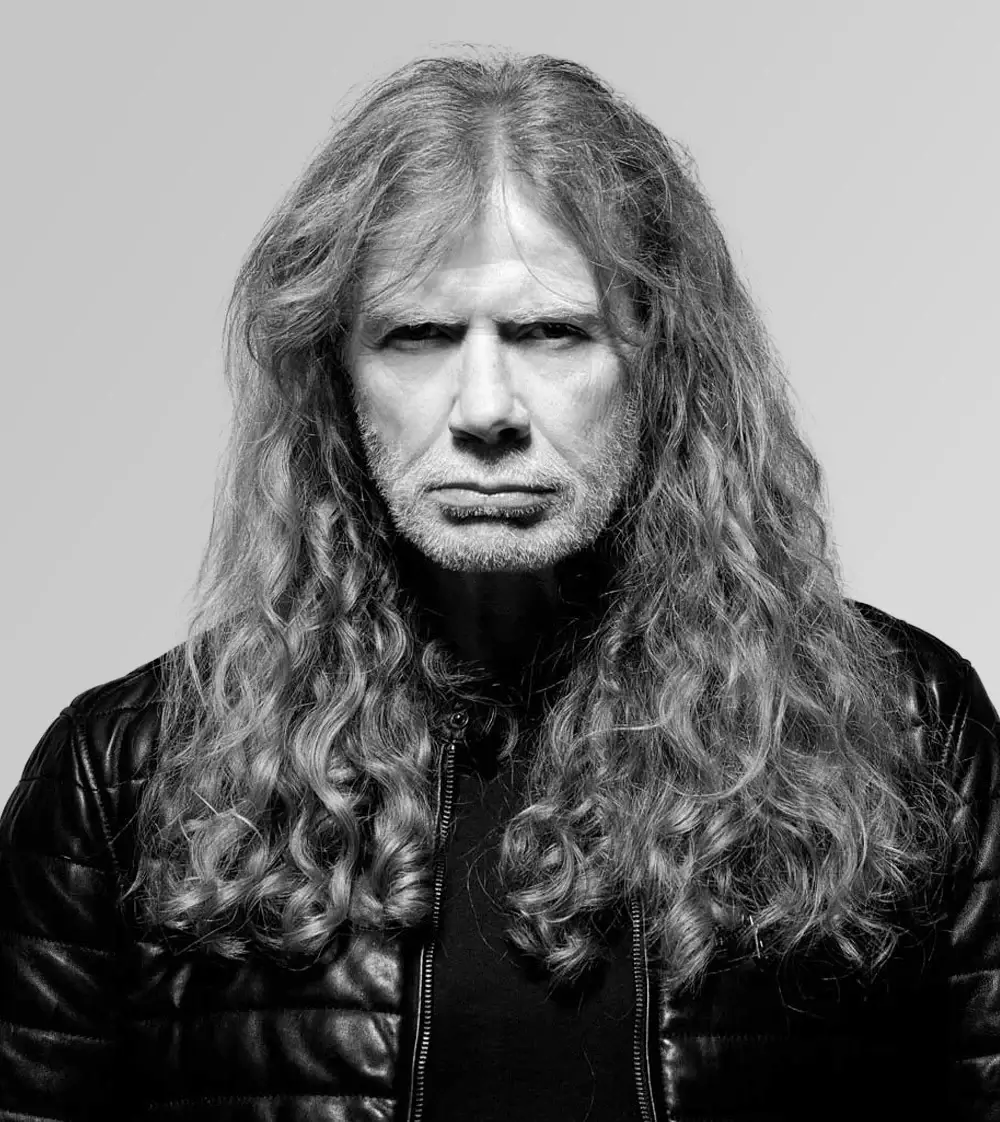
‘Megadeth‘ founder ‘Dave Mustaine‘ has offered an unflinching look at his battle with throat cancer and the severe cognitive toll of his treatment in a new memoir titled “In My Darkest Hour,” released as the band’s global farewell tour continues marking the end of a 40-year legacy.
Diagnosed with stage-three squamous cell carcinoma in the summer of 2019, ‘Mustaine’ faced a gruelling medical regimen designed to eradicate the disease. Writing with profound vulnerability, the 65-year-old frontman describes the chemotherapy process as an endurance test where doctors deliberately take patients to the absolute brink of death before bringing them back. While the treatment successfully rendered him cancer-free by 2020, the physical devastation was severe. Targeted radiation therapy inflicted catastrophic damage to his teeth, requiring extensive and painful reconstruction.
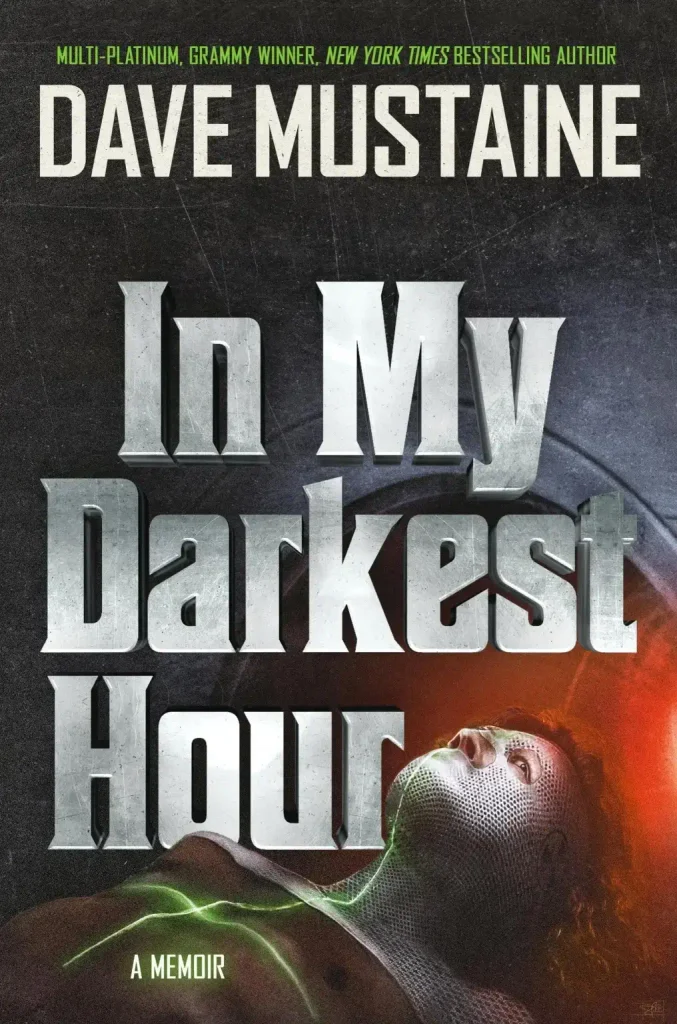
Yet it was the neurological side effects that proved most disruptive to his life and career. ‘Mustaine’ struggled extensively with “chemo brain,” a documented phenomenon characterized by severe cognitive fog, memory loss, and a lack of mental clarity. The cognitive impairment struck precisely as ‘Megadeth‘ was attempting to write and record their 16th studio album, “The Sick, the Dying… and the Dead!” ‘Mustaine’ revealed the profound frustration of trying to conceptualize complex song structures and develop lyrical themes when he could barely remember his own middle name. The cognitive struggle dragged on for the first couple of years following his treatment, significantly complicating the band’s workflow.
The recording process was further derailed by internal turmoil. In May 2021, long-time bassist ‘David Ellefson’ was fired following a highly publicized online scandal. ‘Mustaine’ ordered ‘Ellefson’s’ bass parts to be completely scrubbed from the album, hiring ‘Testament’ bassist ‘Steve DiGiorgio’ to re-record the tracks in a matter of weeks. Despite these immense hurdles, the resulting album debuted at number one on the US Billboard 200, proving the band’s enduring commercial appeal.
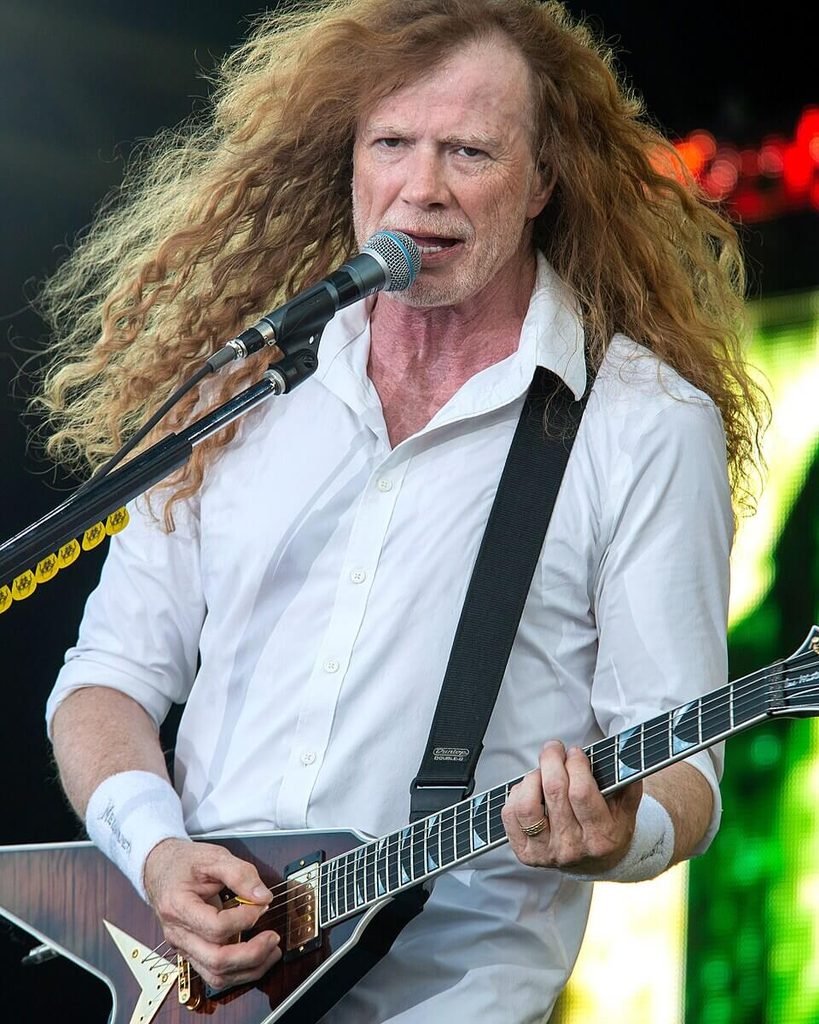
The accumulation of physical ailments has finally forced ‘Mustaine’ to call time on the project. Alongside the lingering effects of his cancer treatment, he suffers from Dupuytren’s contracture and severe arthritis in his hands, conditions that make playing the intricate, high-speed guitar riffs of thrash metal increasingly agonizing. Rather than compromise the razor-sharp precision that defined ‘Megadeth’s’ sound, ‘Mustaine’ chose to end the band on his own terms.
“In My Darkest Hour” is not solely told from ‘Mustaine’s’ perspective. Recognizing the fragmentation of his own memory during the treatment, he invited his family, guitar technicians, and medical team to contribute their accounts. His radiologist, Dr. Anthony Cmelak, even contributed lyrics to the song “Dogs Of Chernobyl.”
The memoir also highlights the unexpected solidarity ‘Mustaine’ found within the heavy metal community. ‘Iron Maiden’ frontman ‘Bruce Dickinson’, a fellow throat cancer survivor, provided crucial advice on patience during vocal recovery. ‘Mustaine’ also received well-wishes from ‘Ozzy Osbourne’, ‘Paul Stanley’, and his former ‘Metallica‘ bandmate ‘James Hetfield’, noting that despite their complicated shared history, a profound mutual respect remains.
Having formed ‘Megadeth’ in 1983 following his acrimonious exit from ‘Metallica’, ‘Mustaine’ guided the band to over 50 million album sales and a Grammy win across a four-decade career. A global farewell tour is currently underway, serving as a final chapter for a group that maintained their uncompromising ethos throughout four decades of changing musical landscapes.
Find more on ‘Megadeth‘.
🍺 If you enjoyed this article, consider buying us a beer. It helps keep the whole machine running - the site, the channel, and everything in between.